


These travel trends will impact where we go – and why – in the months ahead.
With travel making a triumphant return in recent years, some of us ventured back to familiar destinations in search of nostalgia, while others were emboldened to go off the grid in the name of adventure — with evolving technology guiding travellers along the way. The coming year will see technology playing an even bigger role in our voyages, whether literal or virtual, and an increased focus on how our travel choices can boost wellness and counter over-tourism. Here, we dive further into 2026 travel trends that will dominate the months ahead.
AI Everything
Generative AI tools like ChatGPT have snuck into every part of our lives — and travel is no exception. The year ahead will see travellers turning to AI assistance to plan and book their vacations, with companies like Uber and Airbnb further enhancing the level of personalisation they offer. Not only will AI help travellers find destinations and create itineraries, but it also guarantees on-the-ground support. Samsung’s AI Live Translate Call feature, for example, has been built into the company’s native phone, eradicating language barriers as we know them. AI is set to be one of the most significant travel trends in 2026.
Be Well
Akin to the rise of sleep tourism in 2023, longevity tourism will translate to well-heeled travellers going the extra mile – quite literally – in their quest to live a longer, healthier life with the help of science. Expect a surge of resorts and retreats in Blue Zones as well as the prevalence of affordable biohacking treatments (IV drips, cold plunge therapy, hydrogen inhalers, and red light therapy) worldwide. Elsewhere, everything from DNA testing and custom gut supplements to silent retreats and adaptogenic eating will be more accessible as self-betterment goes hand in hand with travel.

But First, Food
The days of grabbing a seat at the nearest restaurant while abroad are over. Food will rank higher than ever in priority when it comes to choosing holiday destinations, with travellers exploring new places by sampling Indigenous cuisine, splurging on Michelin-starred meals, broadening their horizons by way of tasting menus, embracing cheap and cheerful street food, and engaging in foodie experiences such as foraging and feasting in the wild. Culinary-themed tours and holidays in France, Italy, Vietnam, Thailand and Mexico will also continue to soar in popularity.

Destination Dupe
Between travellers seeking better value for money and attempting to steer clear of crowds, 2026 will be the year that encourages us to visit what have rather aptly been termed ‘dupe destinations’ — think Lombok instead of Bali, Ljubljana instead of Venice, Liverpool instead of London. No longer will we blindly book trips to places where over-tourism has led to pollution, littering, damage to historical and cultural sites, and disrespect for the local way of life. Instead, we’ll holiday in lesser-known destinations that are a lot more affordable before they go mainstream.
Final Frontier
Ocean depths, polar ice caps, active volcanoes — travellers will continue to pursue excursions to inhospitable places as extreme tourism booms, despite the risks involved. In fact, the race to reach the Seven Summits is slowly taking a back seat to what is known as the Explorers’ Extreme Trifecta: the highest (Mount Everest) and lowest (Challenger Deep) points on Earth, as well as in space. It’s not a new phenomenon either; 2023 repeatedly prompted debate around wealthy adventurers paying small fortunes to pursue big, sometimes dangerous, dreams following the Titan implosion that killed five.

Nature-as-therapy
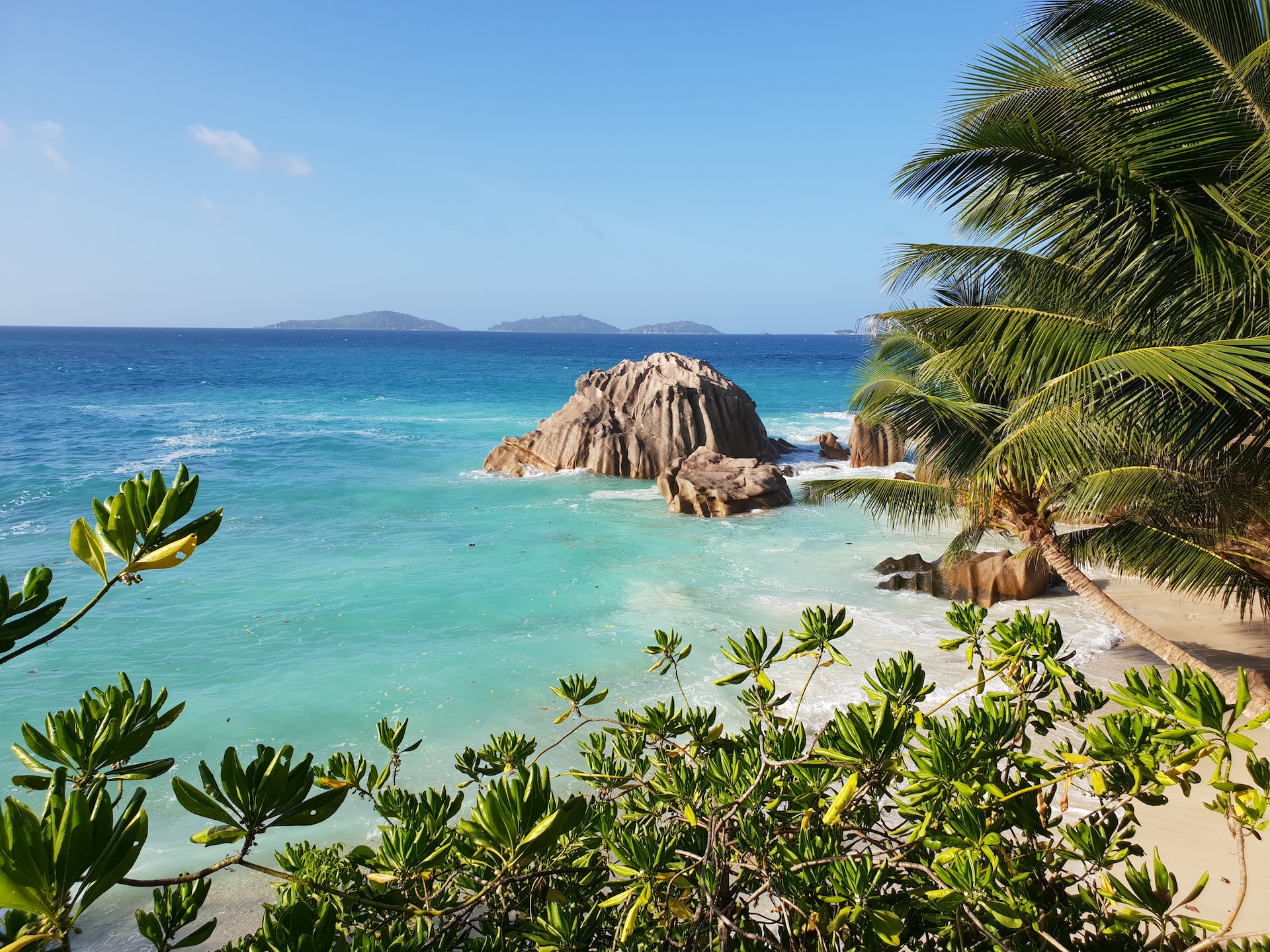
Nature-as-therapy will continue to gain momentum in 2026 as travellers seek quieter landscapes and clearer mental space. National parks, desert escapes, mountain cabins, and coastal trails will be booked not just for scenery, but for nervous system relief. Expect more trips built around sunrise hikes, open-water swims, stargazing, and low-stimulation days that prioritise sleep and simple movement. Operators will package “restorative” itineraries with guided walks, forest bathing, and mindful outdoor experiences that don’t feel overly spiritual or performative. The appeal is universal: nature slows you down, resets your attention, and delivers the kind of calm that cities can’t.
Pop-culture pilgrimages
Set-jetting is expected to level up in 2026, turning films, series, and cultural moments into real-world itineraries. Travellers are no longer satisfied with a quick photo at a famous backdrop; they want immersive experiences tied to story, location, and community. That means guided location tours, themed hotel packages, studio experiences, and food trails that recreate iconic scenes. Social media keeps feeding the appetite, but the real draw is emotional: stepping into a world you already love. Destinations will lean in with official collaborations, seasonal activations, and pop-up events that make fans feel like insiders, not tourists.

Purpose-led travel
In 2026, purpose-led travel is set to dominate as travellers choose trips based on their emotional, physical, or social needs. Instead of chasing checklists, they’re booking “whycations” built around reconnection, celebration, rest, or self-improvement. That might mean a long weekend designed for downtime and sleep, a family trip centred on shared experiences, or a solo reset with nature and wellness woven in. Hotels and tour operators are responding with themed itineraries that feel intentional, from creative retreats to food-led escapes. The takeaway: the destination matters, but the reason you go matters more, shaping everything from pace to spend.

Rail revival
Rail travel is expected to surge further in 2026, driven by a mix of comfort, romance, and practicality. Trains make the journey part of the experience, with scenery, space to work or read, and fewer of the friction points that come with airports. For regional hops, travellers are increasingly choosing rail for convenience and the ease of arriving in the heart of a city. Longer routes will also benefit as people embrace slower, more immersive travel styles. Expect renewed interest in sleeper services, scenic routes, and multi-stop itineraries that feel curated rather than rushed. It’s less “get there fast” and more “enjoy getting there.”

Reading retreats and literary tourism
In 2026, reading retreats are poised to become the antidote to screen fatigue and one of the top travel trends. Think quiet hotels with libraries, shoreline villas with curated book lists, and itineraries built around bookshops, author trails, and story settings. It’s slow travel with a softer purpose: fewer sights, more headspace. Some travellers will book “readaways” simply to finish a novel; others will chase literary cities, festivals, and filming locations tied to beloved books. Hospitality brands are responding with cosy design, unplugged zones, and programming like silent reading hours and writer’s workshops. It’s wellness without the workout, and culture without the crowds.

Ultra-personalised “Era of You” itineraries
The era of generic itineraries is fading fast. In 2026, travellers will expect trips tailored to their identity, interests, and routines, from niche dining obsessions to wellness preferences and fandom fixations. Personalisation will go beyond room type and pillow menus, with smarter concierge-style planning that builds around how you actually travel: early riser or night owl, museum marathoner or beach stroller, strict schedule or spontaneous wanderer. Brands will lean into custom micro-itineraries, hyper-local recommendations, and experiences that feel “made for you,” not for everyone. The goal is frictionless travel with personality, where every booking decision reflects taste, not trends.